$$PLAIN_TEXT_PREVIEW$$

February 2022 ~ Volume 153

Inspiring. Meaningful. Adventure.


Place-based Learning in the Great Outdoors

We are fully into our 2021-22 season and recently completed our inaugural 10,000 Islands Experience event. With great conditions and weather, we assisted 50 paddlers on 9 different paddling destinations near Collier-Seminole State Park in Naples. A great time was had by all. In a couple of weeks we will take another 50 paddlers on our 10th Wild, Wonderful Withlacoochee trip, beginning at Lake Panasoffkkee and finishing in Inglis on the Gulf of Mexico. In December, we completed our 2nd Black Creek Paddling Festival in Clay County. You can visit our YouTube channel to see a short video on that event here. This month we are featuring Ryan Smart's update on the 2022 Legislative Session, as well as an article about the Rodman Dam from St. Johns Riverkeeper, Lisa Rinaman. We also have an update on the Florida Panther, a thought-provoking article on the impact on our plant kingdom as a result of animal species extinctions. We finish this month with an excellent piece from the Florida Dept. of Environmental Protection on Florida's iconic trees.

Last month we inducted two new members into the Paddle Florida Hall of Fame. Scott Keyes and Paul Westberry participated in our inaugural event on the Suwannee River in March, 2008. Since that time they have both made contributions in many ways; from helping in the planning of new trips, to assisting with weather forecasts, these two guys have helped shape the way we conduct events across the state. Congratulations Scott and Paul!

Happy Paddling!


2021-2022 Paddle Florida Season

Our 2021-2022 season is SOLD OUT!


Paddle Florida Exclusive

The Good, the Bad, and the Ugly: 2022 Edition

By Ryan Smart
Executive Director
Florida Springs Council

Every year there are a few good bills, a few bad bills, and a whole bunch of ugly bills that are considered during the 60-day Florida legislative session in Tallahassee. This year is no different. Here’s a look at which bills affecting Florida’s waters are moving in 2022. 

This time of year we need your help more than ever. Please go to FloridaSpringsCouncil.org, become an informed member at no cost, and help us advocate for Florida’s waters. 

The Good

In 2019, the Blue-Green Algae Task Force (BGATF) released their initial water quality recommendations to the Florida Legislature. Since that time, most of the BGATF’s recommendations have been ignored. [Read more…]


News Articles of Interest

Time has come to remove Rodman dam and restore the Ocklawaha

By Lisa Rinaman
The Gainesville Sun

The St. Johns River is one of Florida’s most productive estuaries and the nursery grounds for numerous species of commercially harvested fish and shellfish we love to eat.  

Shrimp spawn offshore, but once their eggs hatch, the larvae migrate back to the ideal habitat of the St. Johns estuary to grow and mature. As a result, commercial and sport shrimpers enjoy the river’s bounty between Jacksonville and Palatka. 

Blue crabs, the largest fishery in the river, release their eggs in the marine waters near the mouth of the river. Wind and tides will eventually carry the larvae upstream where they will find refuge in the submerged grasses that will nurture them. During the warmer months, blue crabs reach as far south as Lake George.  

The St. Johns’ delicate tidal balance of salt and freshwater has historically enabled healthy underwater grasses to thrive, providing critical habitat for fresh and saltwater species that have attracted sportsmen from near and far. 

Now our thriving estuary and fishing economy are at risk. Due to overuse of our aquifer, dredging and increasing saltwater intrusion, the St. Johns’ underwater grasses are disappearing, the cypress forest wetlands are stressed and fish habitat is vanishing within the St. Johns River estuary from Welaka to Palatka to Jacksonville.  

The loss of our river’s submerged grasses also increase the threat of toxic blue green algae and increase flood risk throughout the lower St. Johns.  [Read more…]

Photo credit: Doug Engle / St. Johns Riverkeeper


Lost Animal Species Can Have Massive Impact on Plant Survival

By Mary Jo DiLonardo
Treehugger

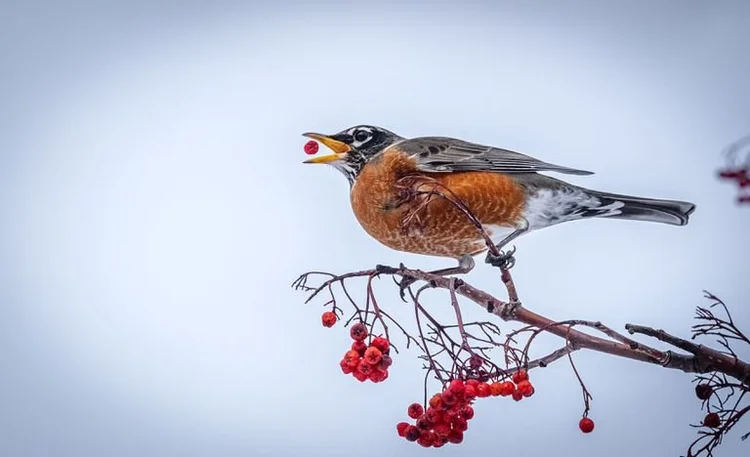
It’s quite the domino effect. As bird and mammal species start to disappear, so will many plants that rely on those animals to disperse their seeds.

A study by U.S. and Danish researchers finds that the ability of those plants to keep pace with climate change has been reduced by 60% globally. With the loss of the animals that spread their seeds, the plants are less likely to be able to adapt to climate warming.

About half of all plant species depend on animals to disperse their seeds and dispersal is critical for plants in several ways, the study’s first author, Evan Fricke from Rice University, tells Treehugger.

First, when animals spread seeds, it helps plants reproduce in the habitats where they already exist.

“For example, seed dispersal allows seeds to reach areas suitable for growth. Seed dispersers can also increase the chance that seeds within fruits turn into seedlings by removing fruit pulp and scratching up the seed coat in ways that can improve germination,” Fricke says.

Seed dispersal also allows plant species to spread into new areas or into areas where they have disappeared. [Read more…]

Photo credit: Marcophotos / Getty Images


Checking the pulse on the Florida panther population as roads pose deadly threat

By Stephanie Byrne
Wink News

Three Florida Panthers have died in Southwest Florida this year so far, but there are ways to prevent losing even more.

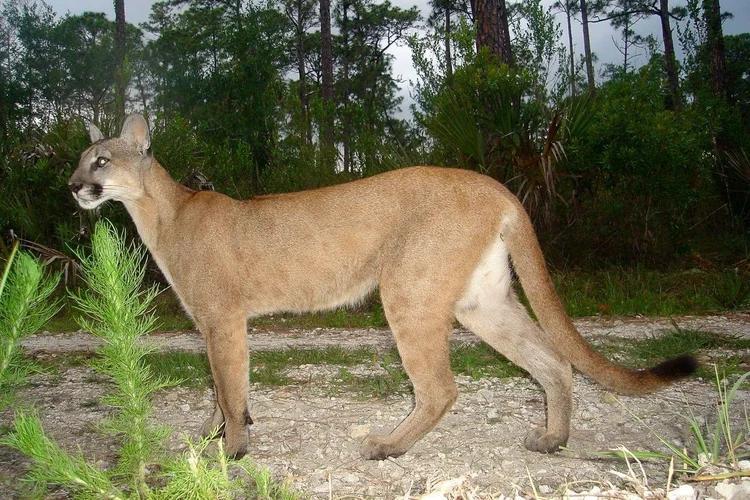
The Florida panther is iconic in the Sunshine State and is considered endangered. It’s also one of two native cat species in Florida. The other is the bobcat.

Adults are brown, about 5 to 7 feet long, weighing between 60 and 160 pounds.

One of the top causes of death to these cats happens to be on roadways, and those from the environmental and transportation worlds have come together to help.

Amber Crooks is an environmental policy manager at the Conservancy of Southwest Florida. She said, every year, there’s a significant number of panthers that are hit and killed on our roadways, “and we think it’s due of course to a squeeze in their habitat.”

In just the first few weeks of 2022, three Florida Panthers have died, including a kitten. All in Southwest Florida and all involving vehicles. [Read more…]

Photo credit: Larry W. Richardson / USFWS


Florida’s Iconic Trees

From the Florida Department of Environmental Protection

Florida’s trees do more than just provide shade - they protect air and water quality, enhance shoreline resilience to storm impacts, and provide food and shelter for species important to Florida’s economy. DEP plays several roles in protecting the trees that characterize our state and  provide environmental benefits. 

DEP manages thousands of acres in state parks, aquatic preserves and national estuarine research reserves. Native trees are protected on these lands that represent Florida’s natural and cultural heritage. DEP also partners with others to restore habitat such as longleaf pine and mangrove forests. Through Florida Forever, Florida’s premier conservation and recreation lands acquisition program, DEP buys lands that conserve natural resources, including the state’s iconic trees. DEP’s regulatory side provides guidance for mangrove trimming and oversees permitting for cutting and trimming mangroves and other coastal species such as sea grapes. [Read more…]

Photo credit: Karen Willey

How To: Turn A Sea Kayak
by Dancing With The Sea

Turning a sea kayak doesn’t have to be that hard…If you learn a few simple techniques. You can use the shape of the hull of your kayak to help you turn effortlessly.

Click here for video.


Support Paddle Florida

Donate. Please consider making a donation to show your support of our mission of connecting people to nature and each other. Donate online here or mail a check to Paddle Florida, P.O. Box 5953, Gainesville, FL 32627. In appreciation of your donation, you will receive a special gift!

Advertise With Us. You can reach over 6,864 monthly subscribers for $75/month, or get two months free by promoting your paddling-oriented product or service over 12 months for $750! Contact Bill Richards by phone at (352) 377-8342 or email for details.

Shop With AmazonSmile. You can select Paddle Florida as your AmazonSmile charity at this link or in the Amazon App. Amazon will then donate 0.5% of the price of eligible purchases to Paddle Florida!


Paddle Florida, Inc., P.O. Box 5953, Gainesville, FL 32627, USA

Powered by Squarespace

Unsubscribe